Buying a new washer can put a big dent in your budget. For many families, that cost is hard to justify when a reliable second-hand option can handle the same daily laundry needs. A Used Clothes Washer Twin Cities shoppers can inspect before buying may offer a practical way to save money without giving up useful features. The problem is that not every used washer is worth the price. Some may have hidden wear, poor performance, or missing parts. That is why knowing what to check matters. With the right approach, you can find a clean, tested, and dependable washer that fits your home, laundry habits, and budget.
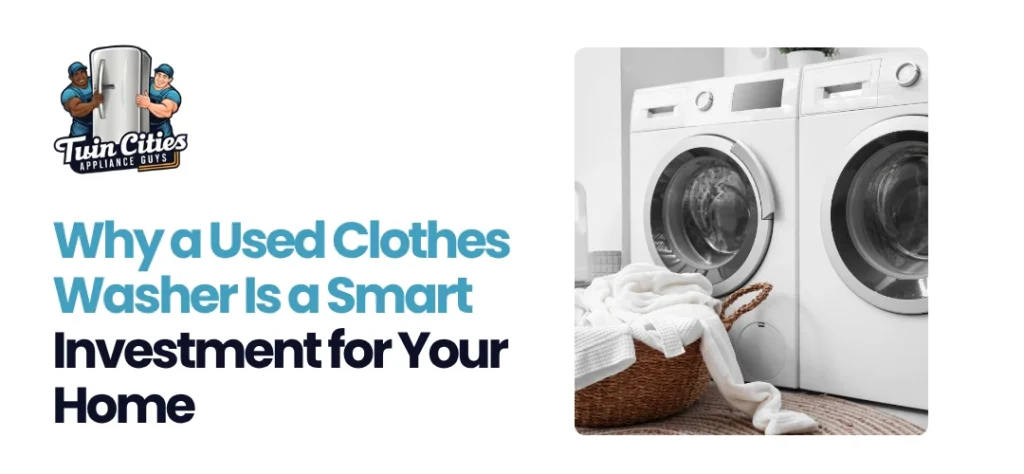
A washer is a major home appliance, but buying one does not always mean buying brand new. A good used machine can provide years of useful service when it has been properly cared for.The biggest benefit is often the lower purchase price. Used appliances can cost much less than new models, making them helpful for families working with a limited budget.
A lower price also gives you more room to choose a washer with useful features. Instead of spending your full budget on a basic new machine, you may be able to find a used model with a larger tub or more wash settings.
The purchase price is one of the first things shoppers notice.A new washer can be expensive, especially when you add delivery, installation, and other costs. A used washer can help reduce the amount you need to spend at the start.This can be useful when:
The goal is not simply to find the cheapest washer. The goal is to find a machine that gives you good value for the price.
Many used washers still offer features that make laundry easier.Depending on the model, you may find:
A second-hand washer does not have to be outdated or basic. Some machines may have been used for only a few years and still offer useful features for everyday laundry.
Before you buy, take a few minutes to inspect the machine. This simple step can help you avoid problems later.A washer should look clean and well cared for. Small signs of normal use are expected with a used appliance. However, serious damage may be a warning sign.
Start with the outside of the washer.Look for:
A few small marks do not always mean the washer is bad. What matters is whether the damage affects the machine’s operation.
Open the lid or door and check the inside.Look for rust, cracks, buildup, or strong odors. The tub should be in reasonable condition for its age.Also check the rubber seal on front-load models. A damaged or badly worn seal can cause leaks.The inside should be reasonably clean. Heavy buildup may suggest that the washer was not maintained well.
If possible, ask to test the washer before buying it.A basic test should include:
The washer should not make loud grinding, banging, or scraping noises.A small amount of normal operating noise is expected. Sudden or very loud sounds may point to a mechanical problem.
A simple checklist can make shopping easier. Instead of focusing only on the price, look at the complete condition of the machine.
Find the model number on the washer.The model number can help you identify the machine’s age, capacity, and basic specifications. It may also help you find replacement parts if needed later.Do not assume an older model is automatically a bad choice. A well-maintained older washer may still work well.
Ask simple questions about the washer’s history.For example:
Clear answers can help you make a better buying decision.
Think about how much laundry your household does each week.A small household may not need a very large washer. A larger family may benefit from a bigger tub.Choosing the right size can also help prevent overloading.
Inspect the water hoses and connection points.Look for cracks, leaks, or signs of damage. If hoses are worn, replacing them may be a simple and affordable step before regular use.Make sure your home’s water connections match the washer you plan to buy.
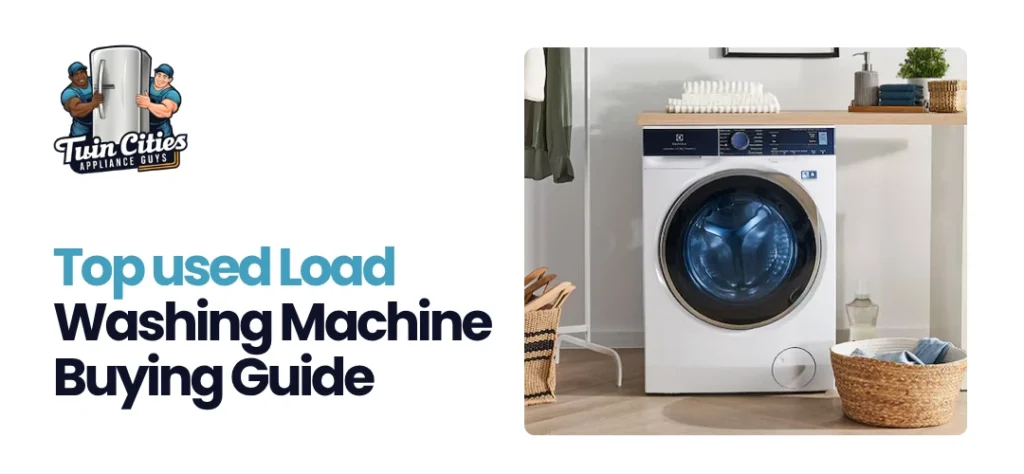
Used washers usually come in two common styles: top-load and front-load.Both can work well. Your choice should depend on your space, budget, and laundry habits.
Top-load models are easy to load because you place clothes into the machine from above.They may be a good choice for people who prefer:
Some top-load machines use an agitator, while others use an impeller. Both designs have different washing actions.
Front-load models open from the front.They often provide a modern design and can work well when paired with a dryer in a stacked setup.They may be useful when:
Before buying a front-load used washer, pay close attention to the door seal and inside drum.
Shopping for washing machines Twin Cities residents can use for years requires more than comparing prices.A washer has several moving parts. Its motor, pump, drum, suspension, controls, and water connections all play a role in proper operation.That is why a visual inspection alone is not enough.A washer may look clean but still have a mechanical issue. Testing the machine gives you a better idea of how it operates.For this reason, buyers should favor used appliances that have been inspected and tested before being offered for sale.
When comparing different washers, create a short list of the features that matter most.
For example:
Feature | What to Check |
Capacity | Is it large enough for your household? |
Condition | Are there major dents, rust, or cracks? |
Controls | Do all buttons and settings work? |
Spin Cycle | Does the washer spin smoothly? |
Drain | Does water drain properly? |
Door/Lid | Does it close and lock correctly? |
Noise | Are there unusual sounds? |
Size | Will it fit your laundry area? |
Price | Does the condition match the asking price? |
This approach makes it easier to compare two or more machines.A washer that costs slightly more may be the better deal if it is cleaner, better maintained, and in stronger working condition.
Every household has different laundry needs.A single person may need a basic washer for small loads. A family with children may need a larger machine that can handle frequent loads.
A compact or standard-capacity washer may be enough.You may not need many special cycles. A reliable machine with basic wash and spin functions can handle normal laundry.
A larger-capacity washer can save time.Instead of running many small loads, you may be able to wash more clothes at once. However, avoid choosing a machine that is too large for your available space.
Used washers can also make sense for landlords and rental homes.A lower purchase cost can help control property expenses. The key is to select a machine in good working condition.
Local shopping can make it easier to inspect an appliance before purchase.When searching for appliance stores near me, focus on sellers that provide clear information about the appliance’s condition.
A good used-appliance buying experience should include:
Buying locally can also make it easier to check the washer’s size and condition before making a final decision.For shoppers in St. Paul, MN, local availability may provide convenient options without requiring a long trip.In the Twin Cities, buyers should compare several machines instead of choosing the first washer they see.
Price matters, but it is only one part of the decision.A good value usually combines:
Fair price + good condition + useful features + proper operation
For example, a very cheap washer with a noisy motor may not be a good deal.A slightly higher-priced washer that runs smoothly and has been well maintained may provide better value over time.
A clean washer is a good sign, but appearance does not tell the whole story.
Always consider:
These details matter more than a few scratches on the outside.
Once you buy a used washer, proper care can help it last longer.Follow these simple habits:
A washer that is not level may shake or move during the spin cycle.Check the feet and make sure the machine sits firmly on the floor.
Do not pack too many clothes into the tub.Overloading can place extra stress on the motor and other parts. Follow the washer’s capacity limits.
Clean the detergent area and washer tub from time to time.For front-load machines, keep the door seal clean and dry after use.
Look around the hoses and connections.If you notice water near the washer, find the source before continuing normal use.
Follow the washer’s instructions for detergent type and amount.Using too much detergent can leave buildup inside the machine.
A washer is a basic household need. You do not always need the newest model to get dependable laundry performance.Used appliances can make sense for people who want to control spending while still getting a working machine.The important part is buying carefully.A smart buyer checks the appliance, asks questions, compares prices, and chooses a machine that fits the home.
This is especially useful when a washer needs to be replaced quickly. Instead of rushing into an expensive purchase, you can take time to compare available second-hand options.
Local shopping can offer a practical way to compare used machines.You can look at the appliance in person, check its size, inspect its condition, and ask questions before buying.For buyers in St. Paul, MN, this can also make appliance shopping more convenient.
In the Twin Cities, local second-hand appliance options may include different washer sizes, styles, brands, and price points.The right choice depends on your needs rather than simply choosing the newest or most expensive machine.
A used washer can be a smart investment when you focus on condition, performance, size, and price instead of choosing based on appearance alone.Whether you need a basic machine or a larger model for frequent laundry, take time to inspect your options and compare them carefully.Twin Cities Appliance Guys offers second-hand appliances for shoppers looking for practical choices at affordable prices.
If you are ready to compare available washers, check the condition, review the features, and choose the model that fits your laundry needs and budget.The right Used Clothes Washer Twin Cities buyers choose is not always the newest machine. It is the one that works well, fits your home, and gives you dependable value for your money.
Yes. A used washer can be a good choice when it is in good working condition, has been properly checked, and is priced fairly. Buyers should test the main functions before purchasing whenever possible.
Check the washer's physical condition and test its fill, wash, drain, and spin cycles. Listen for unusual sounds and look for leaks, rust, or major damage.
It depends on your budget and needs. A used washer can cost much less, while a new model may offer newer features and warranty coverage. A well-maintained used washer can still provide useful service.
Check the model number, capacity, tub, hoses, controls, door or lid, drain cycle, spin cycle, and overall condition. Also ask about the machine's history and any previous repairs.
Yes. A used high-capacity washer can be a practical choice for a large family. Make sure the machine has enough capacity and can handle the amount of laundry your household produces.







COPYRIGHTS©
DEVELOP & MARKETING TEAM BY